

Face Painting Brushes: Everything You Need to Know
When it comes to face painting, having the right brushes makes all the difference. Just like a carpenter needs a sharp saw or a makeup artist needs the best blending brushes, a face painter’s toolkit is incomplete without high-quality, synthetic brushes.
If you’re just starting out, choosing the right brushes can feel overwhelming, but don’t worry—we’ve got you covered! In this guide, we’ll explain why synthetic brushes are essential, the best types of brushes to own, and where to find the best brands.
https://premierfacepaintingireland.thinkific.com/courses/beginners-face-painting-course
Why Face Painters Use Synthetic Brushes
Unlike traditional paintbrushes used for acrylic or oil painting, face painting brushes are always synthetic. Why? Because natural bristles are too soft, absorb too much water, and don’t provide the control needed for crisp, clean designs on the skin.
 Synthetic brushes are sturdy but flexible, giving you precision and control.
They don’t absorb too much water, so your paint flows smoothly.
They’re cruelty-free, making them a great ethical choice.
They last longer, as natural bristles tend to break down when frequently used with water-based paints.
If you’ve ever struggled with face paint bleeding, streaking, or not holding its shape—chances are the brush is the culprit. Investing in the right brushes will instantly improve your face painting skills!
Essential Face Painting Brushes (A Beginner’s Guide)
If you’re building your first set of brushes, these are the must-haves that will help you cover nearly every design:
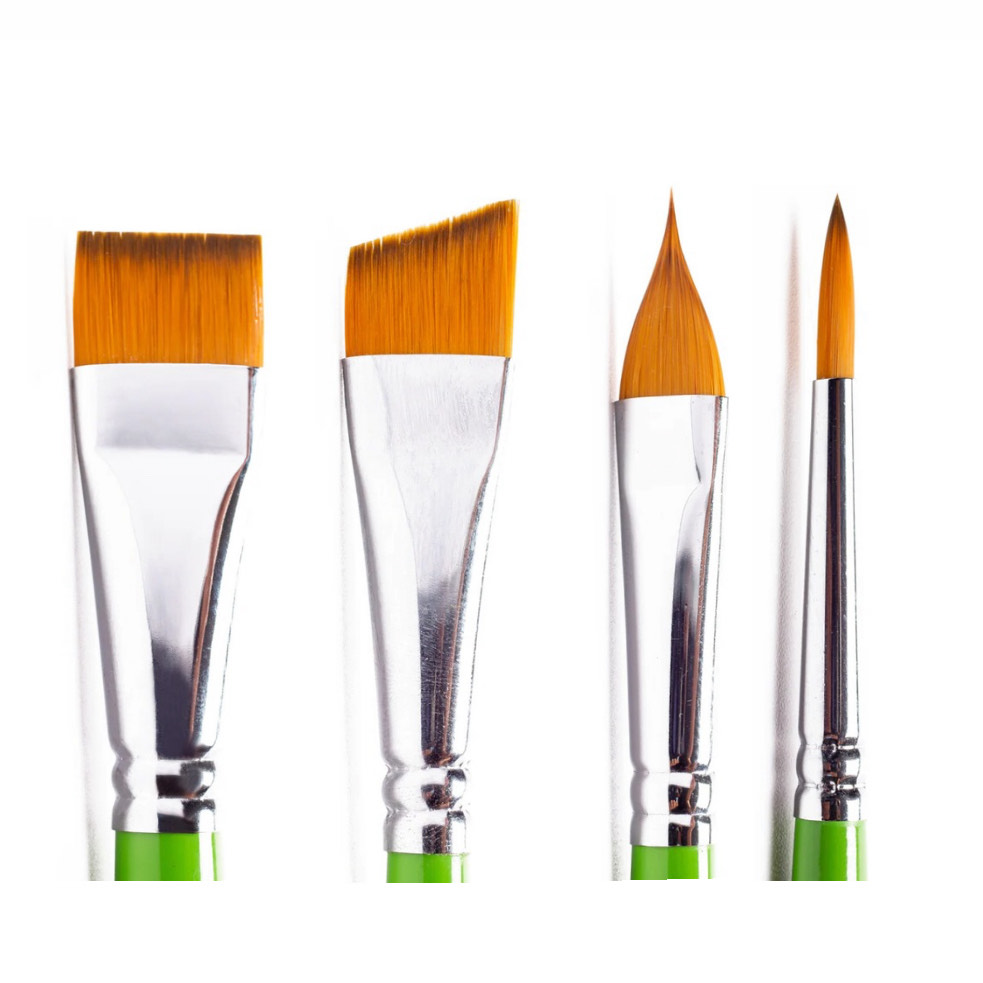
1. Liner Brushes (#1, #2, #3) – For Details & Outlines
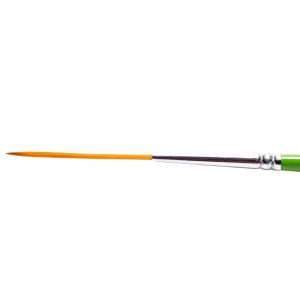
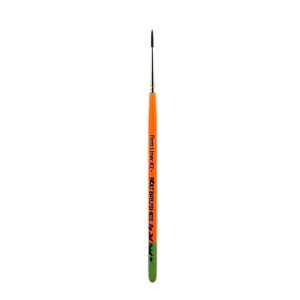
Liner brushes are essential for tiny details, crisp outlines, and intricate designs. The smaller the number, the thinner the brush:
• #1 – For delicate highlights and ultra-thin lines.
• #2 – A great all-rounder for outlines and whiskers.
• #3 – Perfect for bold, graphic lines and lettering.
2. Round Brush (#6) – For Thick Lines & Filling in Spaces
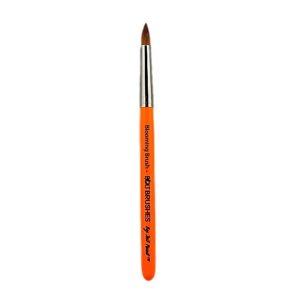
A round #6 brush is one of the most versatile tools in your kit. It’s ideal for:
• Thick line work
• Filling in large areas
• Quick teardrop shapes
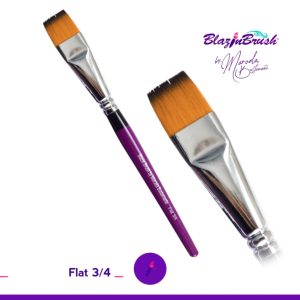
3. One-Inch Flat Brush – For Rainbows & One-Stroke Designs
Flat brushes are key for bold, blended strokes and rainbow effects. They allow you to pick up multiple colours at once, making gradient effects super easy.
4. One-Inch Angle Brush – For Elegant Side Designs
Angle brushes are fantastic for butterflies, leaves, and shading. The slanted edge helps create softer, more natural blends.
5. Filbert Brush (¼ Inch) – For Unicorns, Ears & Fills
A filbert brush is slightly rounded at the tip, making it ideal for:
• Unicorn ears and horns
• Filling in rounded shapes like animal faces
• Blending gradients smoothly
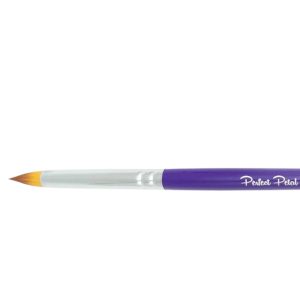
6. Petal/Flora Brush – For Beautiful Flowers
If you love painting flowers, a petal brush is a game-changer. With one simple press, it creates perfect petals, making floral designs much quicker and easier.
The Best Brush Brands for Face Painting
Not all brushes are created equal! If you want long-lasting, high-quality brushes, here are some of the top brands that professional face painters swear by:
 Loew-Cornell – Known for their excellent liner and round brushes.
Princeton Select – Great for synthetic filberts and one-stroke brushes.
Royal & Langnickel – Affordable but high-performing brushes for beginners.
Face Paint Shop Brushes – Specifically designed for face painters.
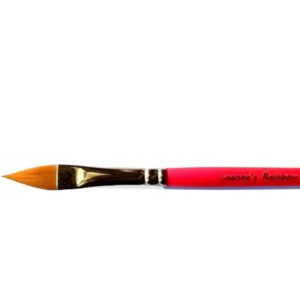
Bolt Brushes – High-quality, durable brushes made for face painting pros.
While professional face paint brushes are the best option, some craft store brushes can also work well. Just make sure they’re synthetic and have a sturdy, firm shape for maximum control.
Why Cheap Brushes Aren’t Worth It
It might be tempting to buy a cheap brush set, but low-quality brushes can make your work harder. Here’s why:
 Bristles Fall Out – Cheap brushes shed bristles, leaving tiny hairs in your paint.
Soft Bristles Lack Control – You won’t get the crisp, clean lines you need.
They Don’t Hold Paint Well – The paint either bleeds out or dries too quickly.
Handles Break Easily – Water exposure weakens cheap brush handles over time.
If you want sharp edges, smooth blends, and clean line work, invest in brushes designed for face painting!
Final Thoughts: Your Brushes Matter!
Your face painting brushes are just as important as your paints. Choosing high-quality synthetic brushes will improve your designs, make painting easier, and ensure your kit lasts longer.
 Need more brush recommendations? Check out our YouTube videos for in-depth tutorials and brush comparisons!
Want a complete face painting kit guide? Explore our courses for expert tips on the best products in the industry.
Stay creative,
Selena, Amber, and the team
Follow us on Social Media
You May Like
Related products
Follow us on Social Media @instagram @Tiktok